


Unlocking the Underwater World: The Benefits of Scuba Diving

Updated: Sep 29, 2025
Freediving and scuba diving are two exciting underwater activities that pull in adventure seekers and ocean lovers. Both offer unique experiences, but they differ significantly in technique, equipment, and approaches to exploring the sea. For freedivers, some are intrigued by the thought of giving a scuba a try, while other bristle at the thought of putting on a tank. In this post, we will examine the advantages, challenges, and the benefits for adding scuba to your list of underwater hobbies.

Understanding Freediving and Scuba Diving
Simply put, freediving involves diving underwater on a single breath of air while holding your breath. Scuba diving, on the other hand, involves using a system to stay underwater for an extended period of time while continuously breathing.
If you are already a freediver, you will no doubt be familiar with the many benefits that come with breath hold diving. These include enhanced relaxation, breath control, and development of your physical abilities. Many freedivers find joy in the tranquility of gliding through the water while feeling a deep bond with the ocean.
In contrast, scuba divers use a tank, buoyancy device, and regulator to safely stay underwater for longer periods. These additional pieces of equipment open the door to exploring deeper depths for extended periods of time, as well as enjoying more complex marine environments. Unsurprisingly, you'll need additional training and certification to scuba dive, including learning about equipment, safety protocols, and how to navigate underwater.
Both activities provide unique views of the underwater world, catering to different preferences and skill levels.
The Benefits of Scuba Diving for Freedivers
Extended Dive Times
A major advantage of scuba diving is the ability to remain underwater for longer periods. For freedivers at the recreational level, a breath hold dive typically lasts between 30 seconds to 3 minutes on average. In comparison, scuba divers can enjoy dives that last from 30 minutes to several hours, depending on their depth and air supply.
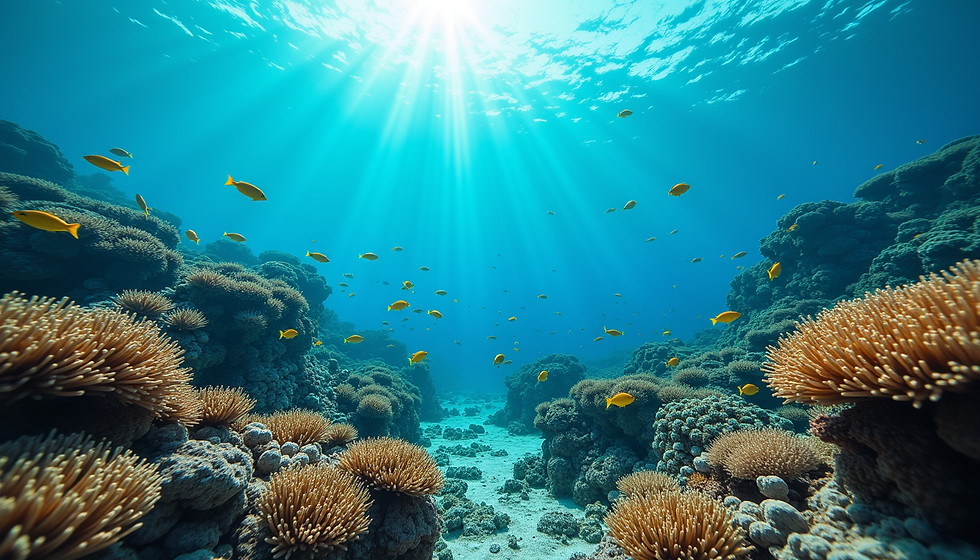
This extended time underwater allows divers to explore various marine ecosystems more extensively. For instance, they can observe sea turtles, schools of fish, and even shipwrecks, all while engaging in activities like underwater photography.

Access to Deeper Depths
Freedivers can reach impressive depths, but there are limitations to how deep one can go while holding their breath and stay there. An average recreational freediver might dive to around 10 to 20 meters, while experienced freedivers may go deeper by training their bodies. Scuba diving allows access to depths often unreachable for some freedivers, such as underwater caves and vibrant coral reefs, which can be 30 meters or more deep. Exploring these deeper environments enhances the diving experience and provides a broader understanding of marine ecosystems.
Learning New Skills
Shifting to scuba diving opens the door to learning new skills and techniques. Scuba diving includes understanding equipment use, buoyancy control, and emergency protocols. This learning experience can be rewarding and adds a new dimension to a freediver's underwater journey. For freedivers looking for a new way to enjoy the underwater world, scuba diving generally proves to be incredibly rewarding.

Potential Challenges for Freedivers
Equipment Familiarization
A key challenge for freedivers moving to scuba diving is getting used to the equipment. Scuba gear can feel bulky and requires proper fitting and adjustments, which may take time. Freedivers will need to adapt to wearing a buoyancy control devices, using their regulator (breathing apparatus) underwater, and managing additional weight. Like anything, proper training and practice will help freedivers feel comfortable in this new setup in no time. In fact, freedivers often have an easier time mastering buoyancy skills because of the time they've already spend in the water during their breath hold dives.
Different Mental Approach
Freediving promotes relaxation and mindfulness. Scuba diving is also relaxing and peaceful, but involves a bit more planning ahead of time. Since scuba divers stay underwater for longer periods of time freedivers will need to learn a bit more about the risks that come with extended bottom time and how to manage them. In a scuba class, you'll learn how to manage air supply and use dive tables or computers to stay within limits on each and every dive. It may seem daunting at first, but many of the dive theory concepts you've already learned about dive environments, physics, and physiology will transfer to your scuba training.
Safety Considerations
Safety is critical in both freediving and scuba diving, but the risks and protocols differ. Freedivers learn to recognize their limits, manage breath-holding capacity, and dive safely with a buddy at all times. Scuba divers must be aware of hazards such as a greater risk of decompression sickness, equipment failure, and underwater navigation challenges. Freedivers interested in scuba diving should prioritize undergoing safety training and certification to ensure they have a secure and enjoyable experience.

Helpful Tips for Freedivers Transitioning to Scuba Diving
Take a Scuba Course
Before diving into scuba, it’s crucial to enroll in a certified scuba diving course. Your local PADI dive shop is a great place to start! You can start with a Discover Scuba Diving experience if you'd like to try breathing underwater on scuba before taking the full course. If you're ready to get your full certification, enroll in the PADI Open Water Diver course to become a certified diver. This training is the first step to equip you with the necessary skills and knowledge to dive safely. From there, you can progress to additional training that will expand the environments you an enjoy on scuba.
Practice Buoyancy Control
Mastering buoyancy control is vital in scuba diving. Freedivers typically depend on their natural buoyancy, while scuba divers must learn to manage buoyancy using their equipment. Practicing buoyancy control in environments like swimming pools can help make the transition easier.
Stay Relaxed and Patient
Exploring scuba diving involves a learning curve. It's important to remain relaxed and patient throughout the process. Embrace this new experience, and do not hesitate to seek guidance from instructors or experienced divers.
Final Thoughts
Freedivers can greatly benefit from exploring the world of scuba diving. The longer dive times, access to deeper depths, and opportunity to learn new skills can significantly enrich their underwater experiences. Nevertheless, being mindful of the challenges—such as equipment familiarity, adjusting mental approaches, and safety considerations—is crucial.
Ultimately, whether a freediver decides to venture into the world of scuba diving depends on personal interests and goals. For those looking to broaden their underwater adventures, scuba diving can indeed be a fulfilling and rewarding choice.
Comments